
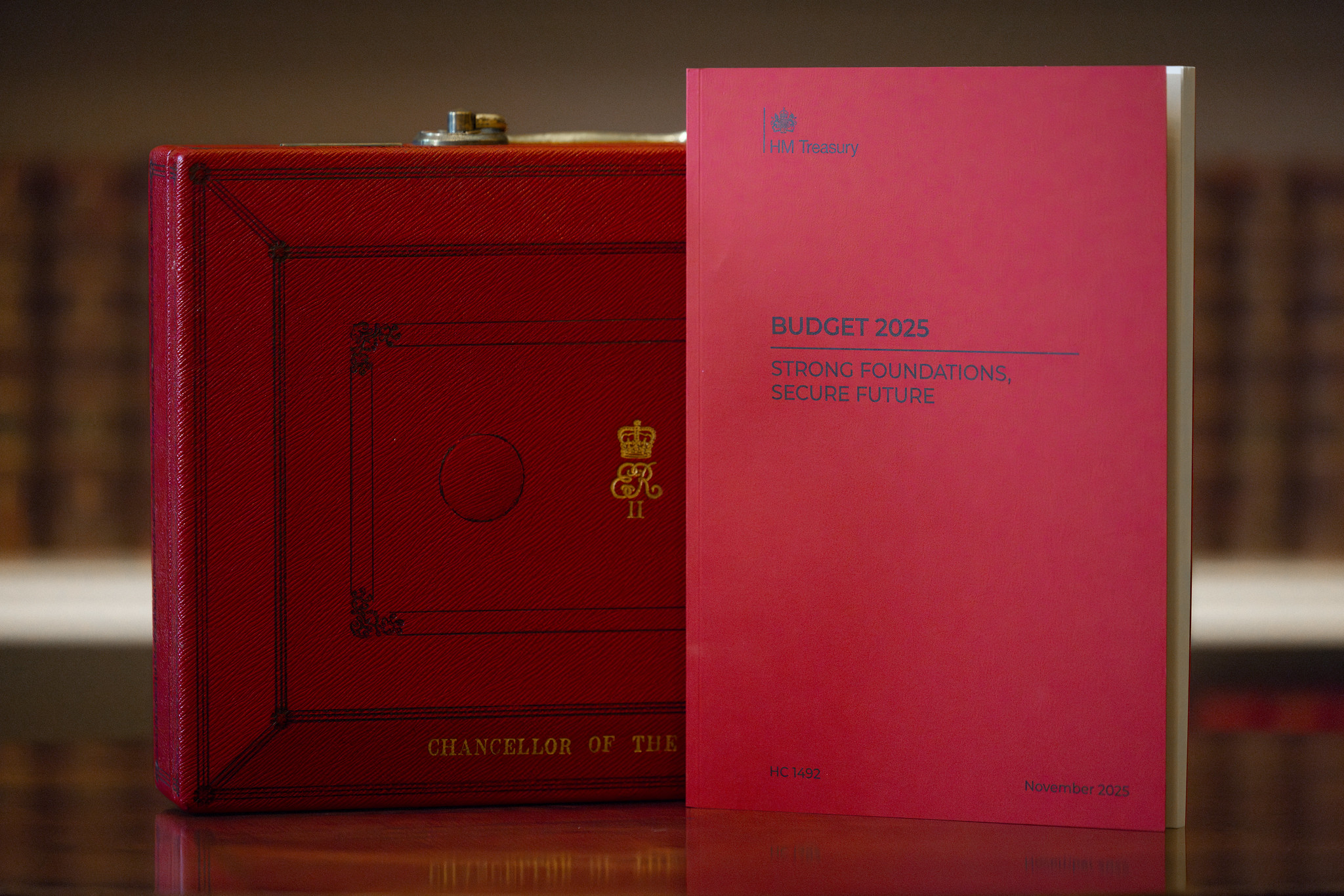
Against a backdrop of farming protests across the country, including tractors parked outside Westminster (despite the Met Police removing their permission at the 11th hour), we once again entered the circus of the Autumn budget. This year was slightly different thanks to the OBRs leaked report, giving us 30 minutes to digest some of the headline figures before Chanceller Rachel Reeves stood at the dispatch box, taking away her chance to pull some rabbits out hats, or indeed her red box.
The 2024 budget was of course a hard hitting one for farming businesses across the UK, with changes to APR and BPR taking the majority of the attention, and as a result some significant IHT planning in the weeks and months afterwards. This triggered calls from the likes of the NFU and CAAV to raise the relief threshold higher than the £1m, although there was a suggestion of the treasury taking note, it was quickly shot down by the Labour government along with a number of other leaked suggestions.
So what of the 2025 budget, once you put aside the usual political soundbites and point scoring the key headlines were as follows:
- Another raise in minimum wage to £12.71 for over 21s and a freeze on income tax thresholds and National Insurance contributions until 2031 (note that Scotland sets its own thresholds- the Holyrood budget will come in January.)
- Properties with a value of more than £2m will be subject to an annual tax of £2,500 which is being referred to as the High Value Council Tax Surcharge – will this impact the upper end of the housing market?
- Corporation Tax rates will remain the same, but the writing down allowance will reduce.
- Fuel duty will be frozen until September 2026 – somewhat good news for everyone including farming businesses
- English regional mayors to be given powers to tax overnight stays in hotels and holiday lets, echoing existing plans in Scotland and Wales – unclear as yet how this will impact farm cottages on short term lets
- Those with rental properties will pay an additional 2%.
- £820m of additional funding to the Scottish Government – again worth noting the agriculture budget is fully devolved and included within the Barnet Formula.
Overall growth is expected to continue, but a fair bit lower than originally projected in March at 1.5%. This reduction is due to lower underlying productivity growth, something Ms Reeves was at pains to blame the previous government for. Inflation is forecast to be around 3.5%, possibly a bit higher than the government would like.
So amongst the usual shouting and bravado, there wasn’t really that much to get excited about in terms of day-to-day farming, if anything this budget will come as a bit underwhelming.
With regards the property market, the Chancellor is imposing a Mansion Tax on more expensive properties. She said “a Band D home in Darlington or Blackpool pays just under £2,400 in Council Tax, nearly £300 more than a £10m mansion in Mayfair”. As a result, she is creating in England what she is calling the “High Value Council Tax Surcharge” or Mansion Tax, which means that properties worth over £2m will pay a surcharge of £2,500 and properties worth over £5m will pay a surcharge of £7,500. These will both be paid by the property owners in addition to the current level of council tax, but there will be a consultations on options for “support or deferral”.
Overall, this is expected to raise over £400m by 2031, and Reeves says it will be charged on “fewer than the top 1% of properties”. The tax will come into effect in 2028.
And from April 2027, a 2% increase will be imposed on basic, higher and additional rates of property income tax, increasing them to 22%, 42% and 47% respectively. This is estimated to yield £0.5 billion a year on average from 2028-29. The OBR says: “The costing incorporates a small negative impact as a result of the pass-through of the tax increasing rents and property tax receipts, which is more than offset by a reduction in house prices reducing other receipts.”
Sir Kier Starmer said minutes before the budget that the Liz Truss budget was one of the most chaotic in history, but will the Prime Minister be forced to eat some humble pie? Well immediately after the leaked report the value of the pound strengthened briefly but has since levelled back out, hopefully this is a sign of confidence within the markets but only time will tell.
Written by Jack Frater, Agricultural Consultant, and Rosie Spours, Residential Sales, in our Berwick Office.
Tel: 01289 304432