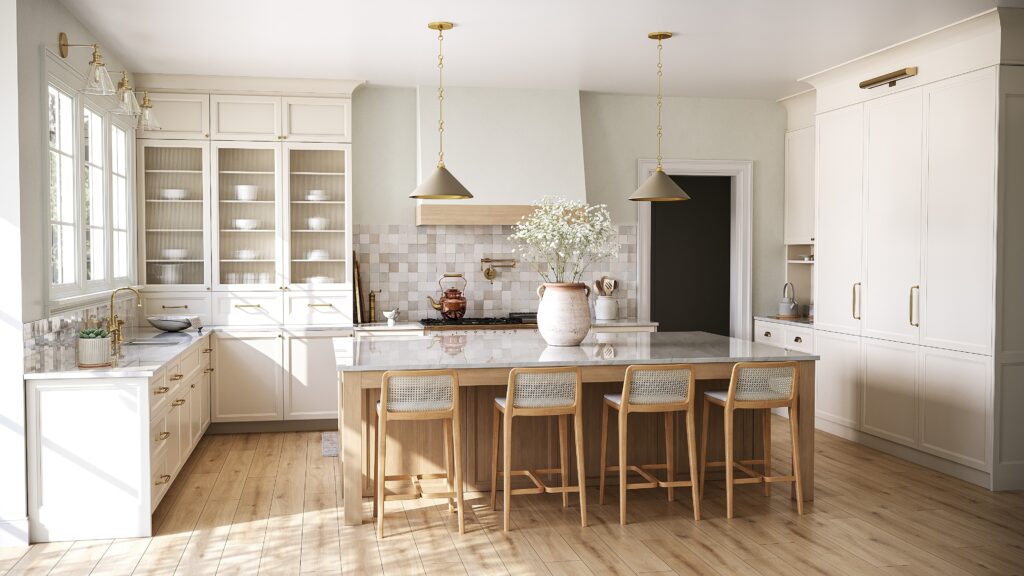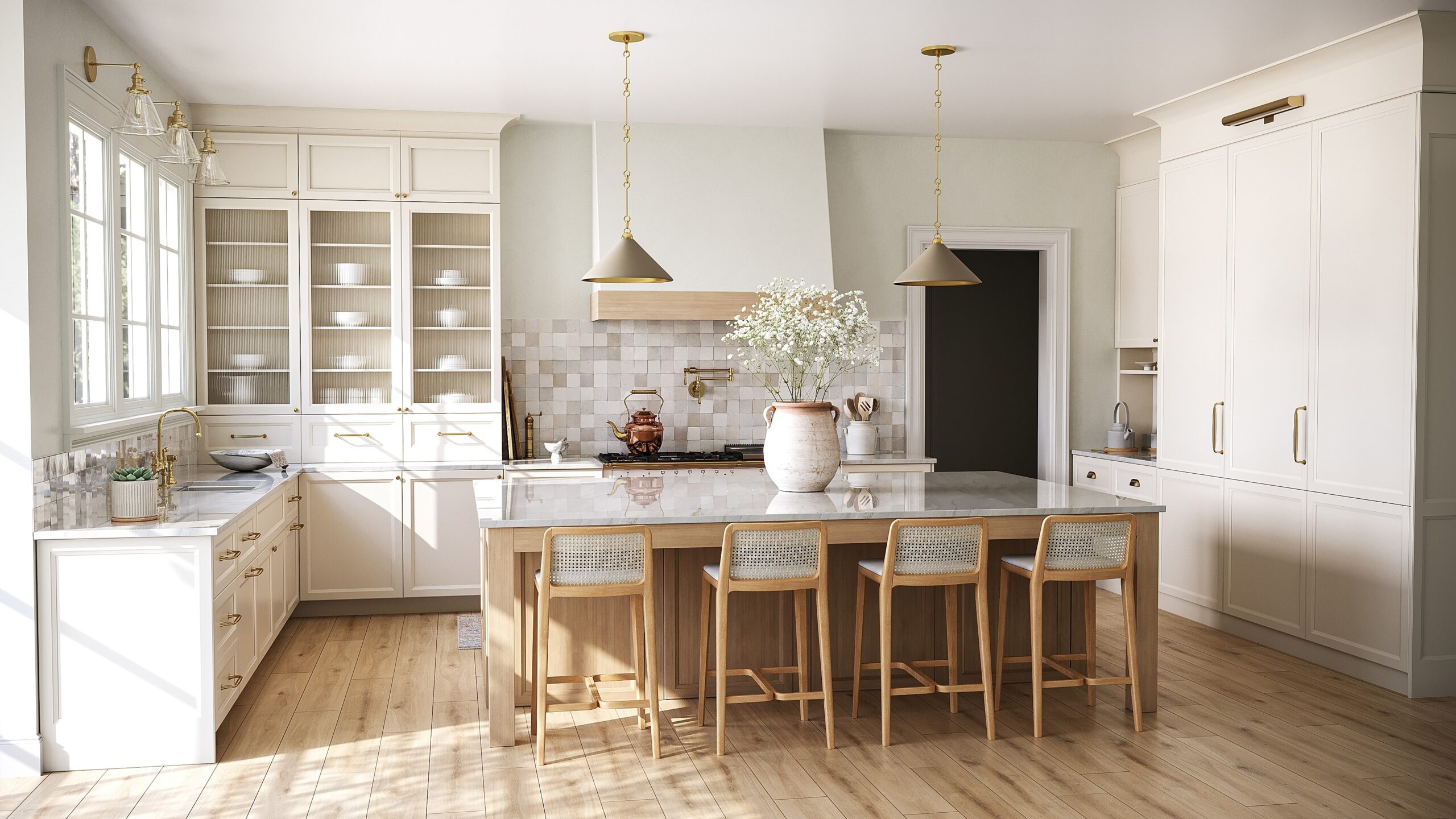
When it comes to renting out a property (or choosing one to live in), one big question always pops up: Should it be furnished or unfurnished? Both options have their perks and pitfalls – and the right choice depends on your goals, lifestyle, and budget. Whether you’re a landlord trying to maximize returns or a tenant looking for flexibility, this guide breaks it all down clearly.
What Is a Furnished Rental Property?
A furnished rental comes ready with all the essentials – think beds, couches, kitchen appliances, and sometimes even cutlery and decor. It’s basically a “just bring your suitcase” setup.
Advantages of Furnished Rentals
- Convenience for tenants – perfect for students, expats, or professionals who move often.
- Higher rent potential – landlords can charge more because of the added value.
- Quick move-in – tenants don’t need to buy or transport furniture.
- Possible tax deductions – furniture and appliance costs can sometimes be written off for landlords.
Disadvantages of Furnished Rentals
- High upfront costs – buying good-quality furniture can be expensive.
- More maintenance – furniture and appliances need regular upkeep.
- Higher risk of damage – more items mean more wear and tear.
- Short-term tenants – often attracts renters who stay only a few months.
What About Unfurnished Rentals?
An unfurnished rental usually includes only the basics – walls, floors, fixtures, and maybe some kitchen appliances. Tenants bring their own furniture and personal touches.
Advantages of Unfurnished Rentals
- Lower investment for landlords – no need to buy or replace furniture.
- Long-term tenants – attracts families or individuals looking for stability.
- Less maintenance – fewer items to manage or repair.
- Steadier income – longer leases mean fewer vacant months.
Disadvantages of Unfurnished Rentals
- Lower rent prices – typically rents for less than a furnished property.
- Not ideal for short-term tenants – people relocating temporarily may skip it.
- Slower to rent – some tenants don’t have their own furniture.
- Less control over decor – tenants personalize the space their own way.
Quick Comparison: Furnished vs. Unfurnished
| Aspect | Furnished | Unfurnished |
| Initial Cost | High | Low |
| Maintenance | Frequent | Minimal |
| Rental Income | Higher | Moderate |
| Tenant Type | Short-term | Long-term |
| Vacancy Rate | Higher | Lower |
| Flexibility for Tenant | High | Lower |
| Risk of Damage | Higher | Lower |
Final Thoughts
There’s no one-size-fits-all answer. Furnished rentals are convenient and profitable – but come with more work. Unfurnished rentals are simpler, steadier, and ideal for long-term living. At the end of the day, it’s all about matching the property to your lifestyle and financial goals.
For more information on the letting process, please contact Denise Leighton in our Galashiels Office: d.leighton@edwin-thompson.co.uk / 01896 751300